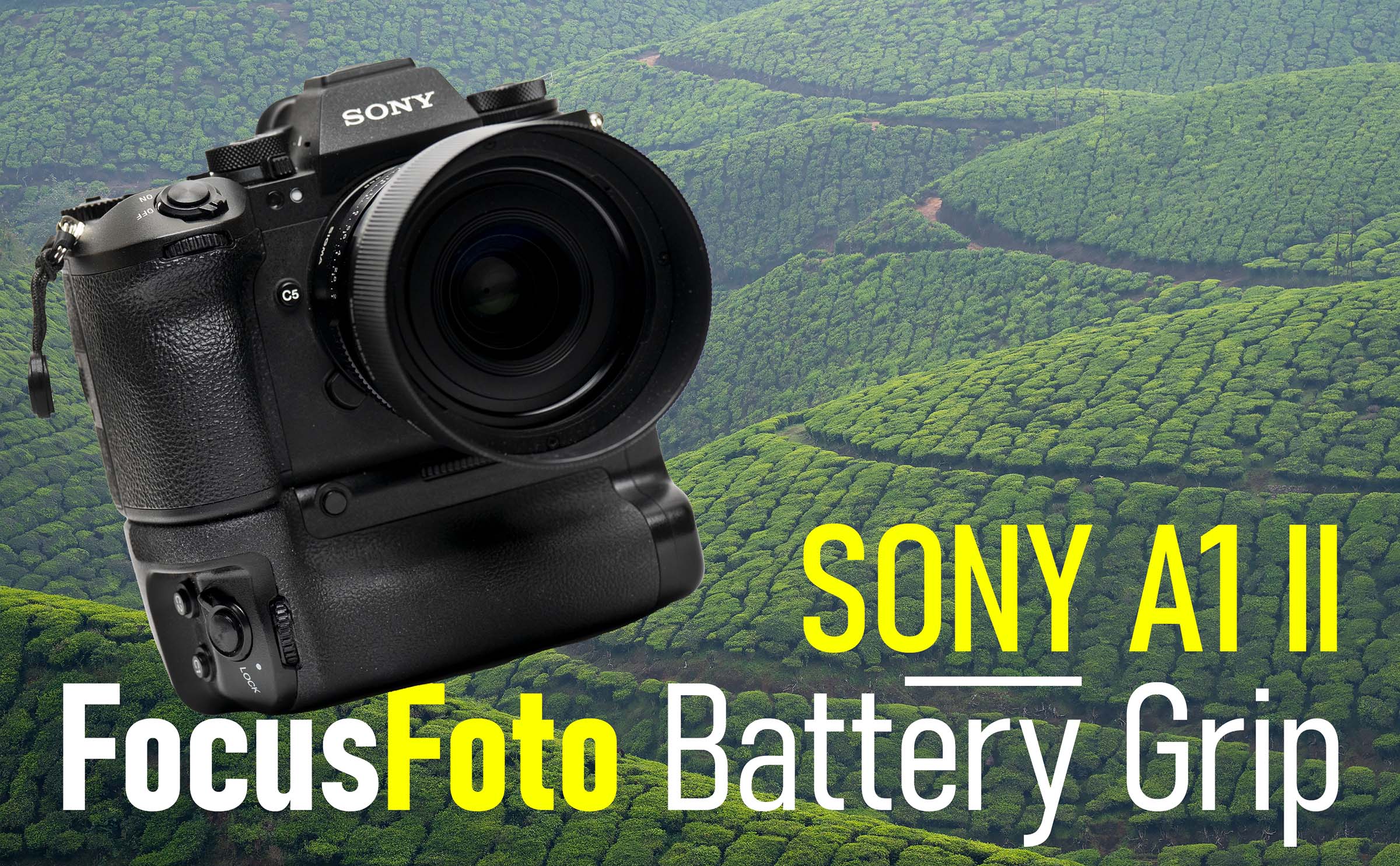
Many of you are probably asking, “Why would you spend $7000 on a camera body, and then cheap out on the grip?”, and I think it’s a reasonable question. The answer is: Sony did it first. Sony’s $450 VG-C5 grip for the A1 II and A9 III feels as though it is made entirely of plastic, though some of Sony’s websites say that the plastic exterior houses a magnesium internal frame. When I bought my Sony VGC3EM (see my initial review of that grip) for my A7 cameras, the price was just $298 for a completely magnesium alloy grip (except for the tray), with a better build than anything else on the market. The plastic VG-C5 feels just like any of the cheap 3rd party brands. So, I decided to save nearly $400 and buy a 3rd party, Chinese-made grip, this one from FocusFoto. Is it just as good?
The FocusFoto Battery Grip for Sony A1 II and A9 III
Before we start, let me mention that the new Sony A1 II does not use the same battery grip as the original A1; its body shape is now in line with the A9 series cameras, making it easier for pros to switch between the two bodies.
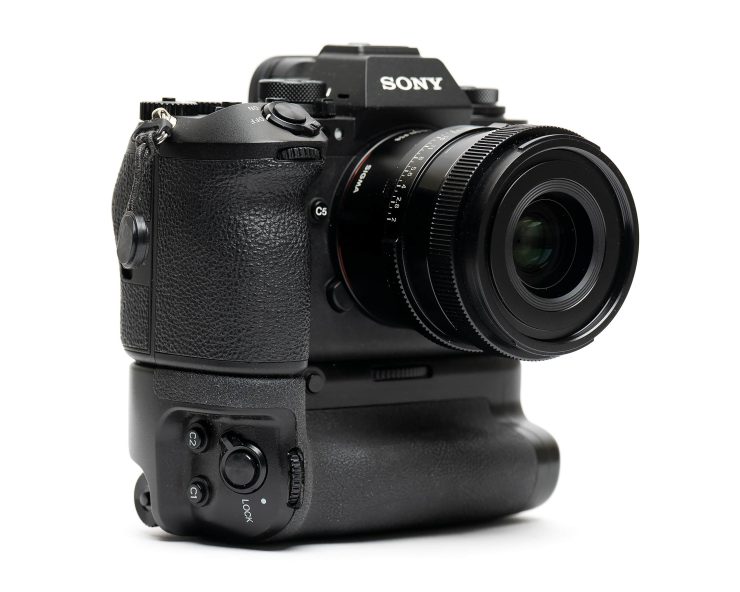
Shortly after buying my Sony A1 Mark II (from Amazon Business Prime, saving about $400), I decided to spend the money that I had saved on the battery grip, but I wanted to feel it first, since I had not been terribly happy with my earlier Sony grip, so I drove up to Kenmore Camera and asked to test one out, and it felt exactly like the 3rd party grips that I used to buy for my Canon cameras. So, I decided to skip the Sony grip and buy a less expensive 3rd party one (though I did buy a lens).
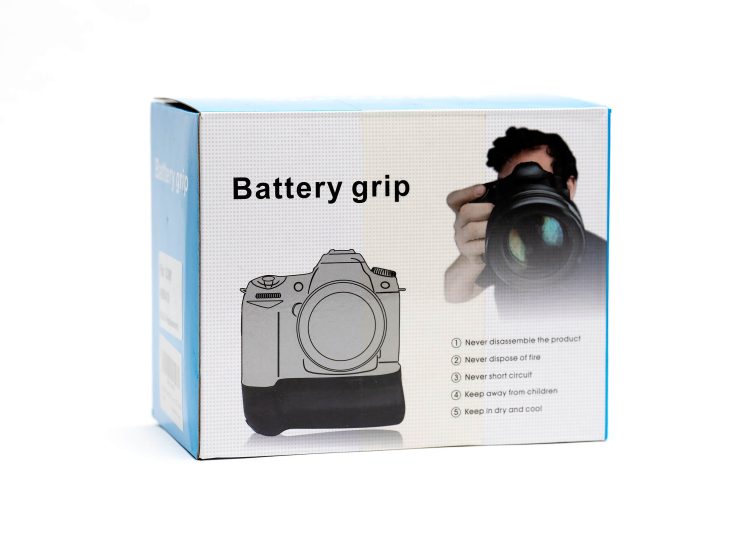
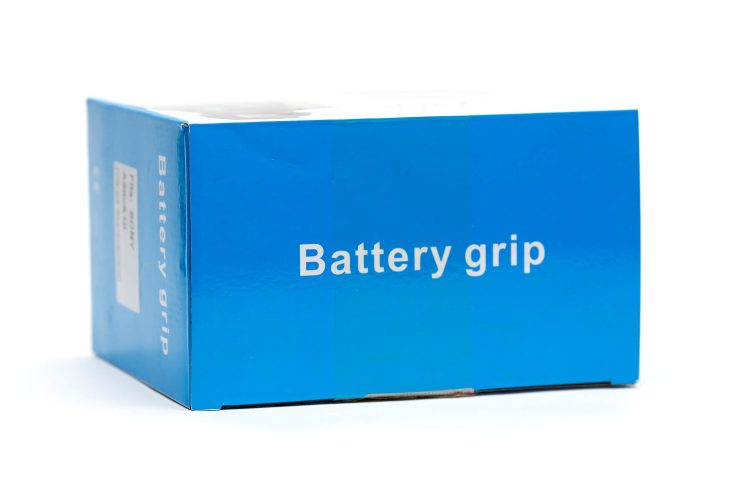
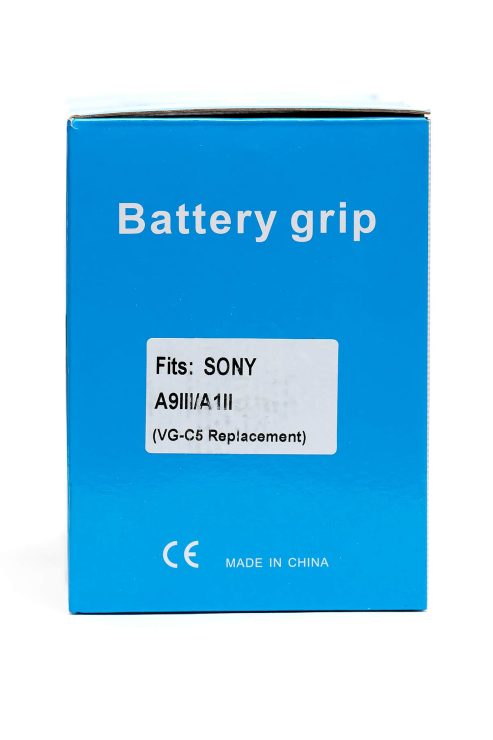
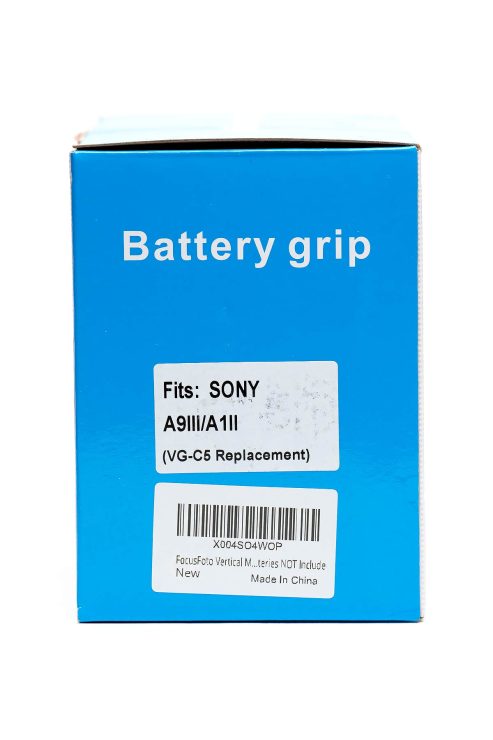
At the time, only a couple of 3rd party grips were available for the Sony A1 II, and one of them was the FocusFoto, and it cost about $89 from Amazon… less than a quarter of the price of the Sony. It arrived in a fairly generic box, the only mention of the model on a printed label stuck to the side.
In the Hand
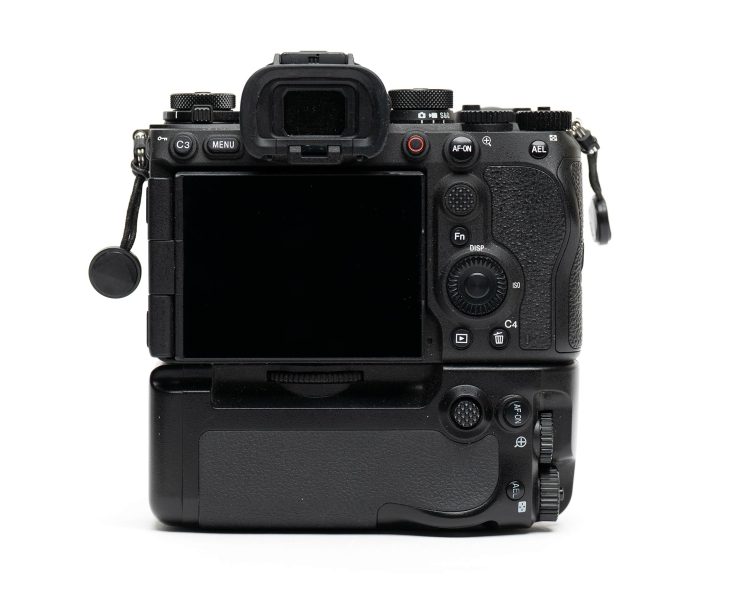
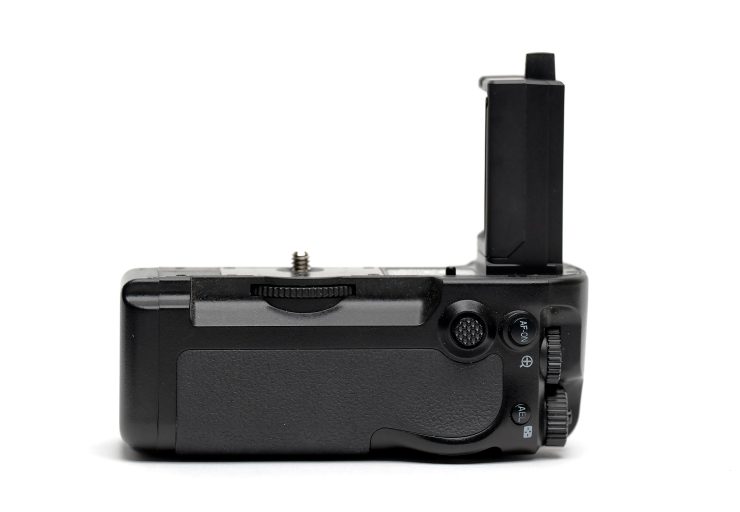
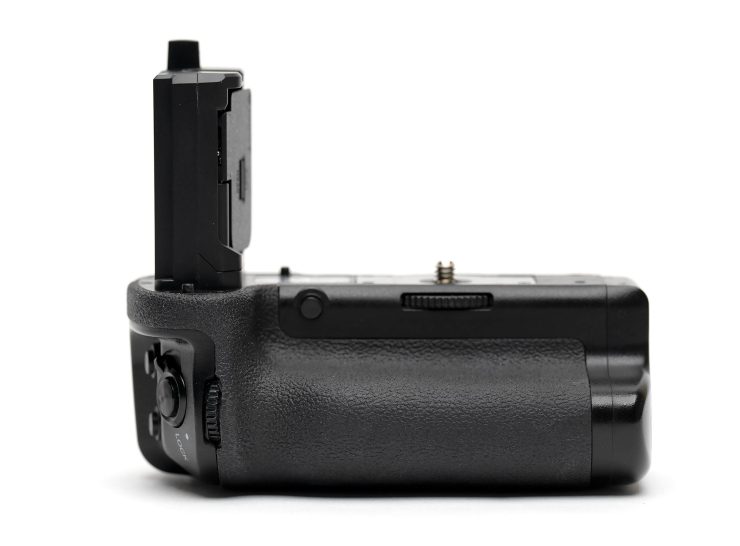
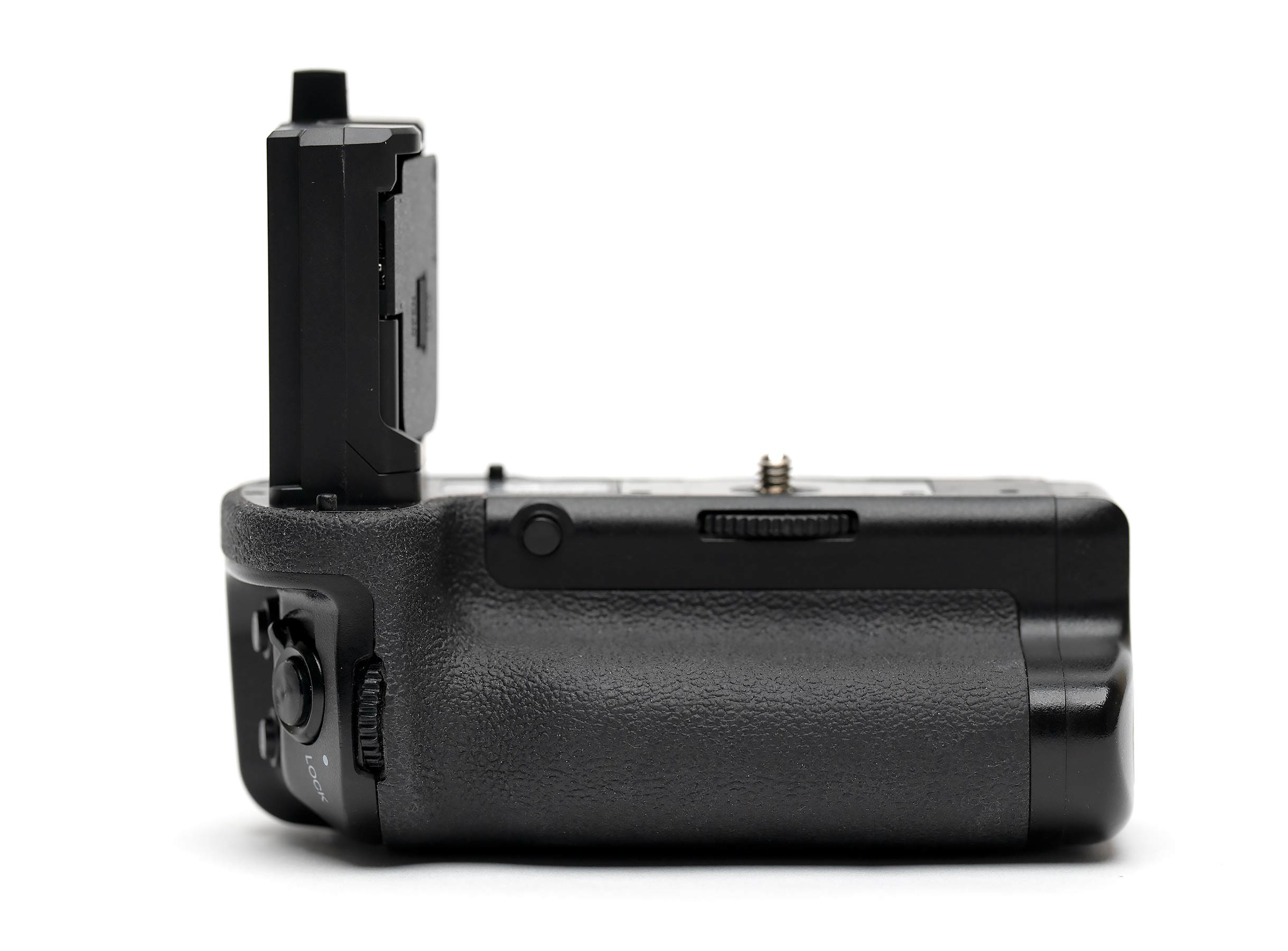
But the grip itself, it turned out, felt almost exactly like the Sony that I had tested. According to published specifications, the Sony grips weighs about 25 grams more than the FocusFoto, but it wasn’t obvious in my hand… both feel like plastic. The grips feel like they’re the same size, but the textured faux-leather material on the FocusFoto grip has more of a matte finish and a more rubbery, soft grip.
Functionality
And aside from the negligible weight difference, the two grips are functionally identical. They share the same buttons, dials and switches in the same locations. I’m happy with the feel of the dials; they feel solid and well made, and the shutter button is also good, though slightly different from the camera button. While Sony shutter buttons generally do not have a “click” after being half-pressed, the FocusFoto does have a noticeable click… audible in a quiet room. I don’t mind it, but it might bother some photographers.
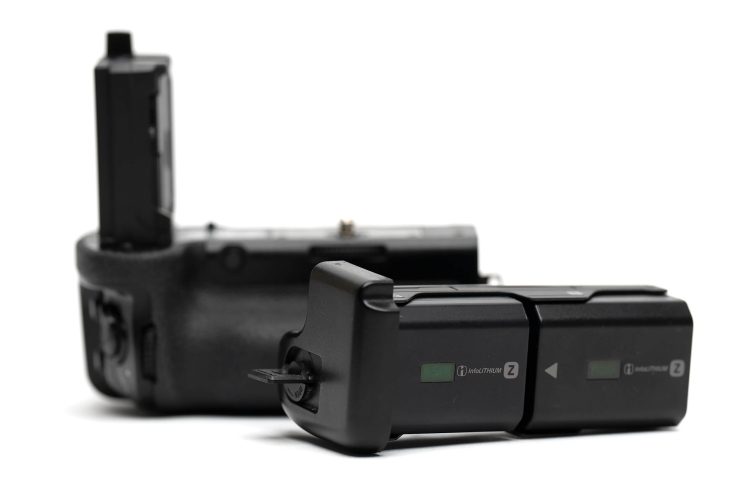
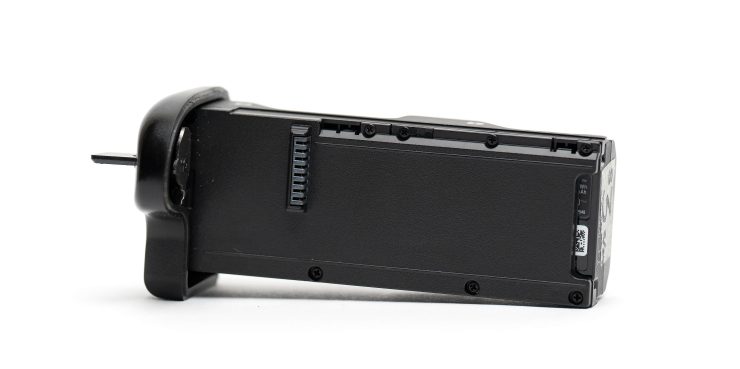
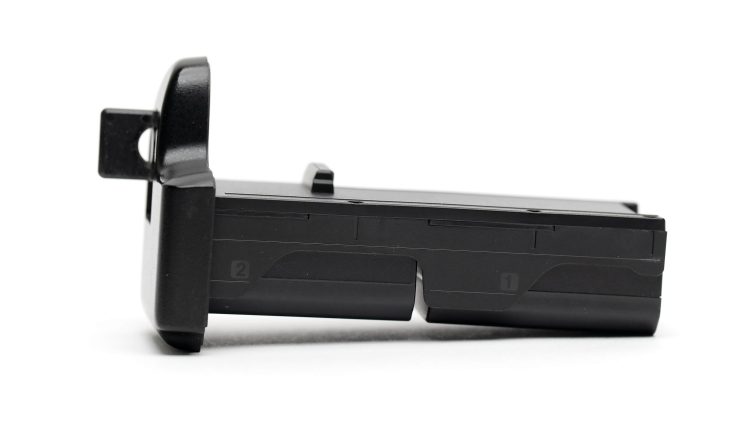
More importantly, the batteries function in the same way that they do on the Sony grip: rather than draining sequentially, both batteries drain at the same time. This means that both batteries will receive the same amount of wear, and the voltage will remain usable and stable for longer1Sony NP-FZ-100s are 7.2v batteries, and as they discharge, the voltage drops, so the combined voltage from two batteries will be able to reach the voltage cutoff for operation for longer.
Drawbacks
Though both grips feel like plastic, the Sony grip does hide some sort of magnesium alloy frame. Whether this will make any practical difference remains unknown. I’ve used vertical grips on my cameras for the past 35 years or so; when I was a teenager, it wanted to look more professional, and when I was in college, it was for the comfort. During the digital age, it has always been for the extended battery life, primarily. In all of that time, though, in all of my travels around the world and dropped cameras, I’ve never managed to break a grip… even the 3rd party plastic ones.
Perhaps more importantly, though, is the fact that while the Sony grip does offer some basic sealing against dust and moisture, the FocusFoto grip does not have any obvious rubber gaskets.
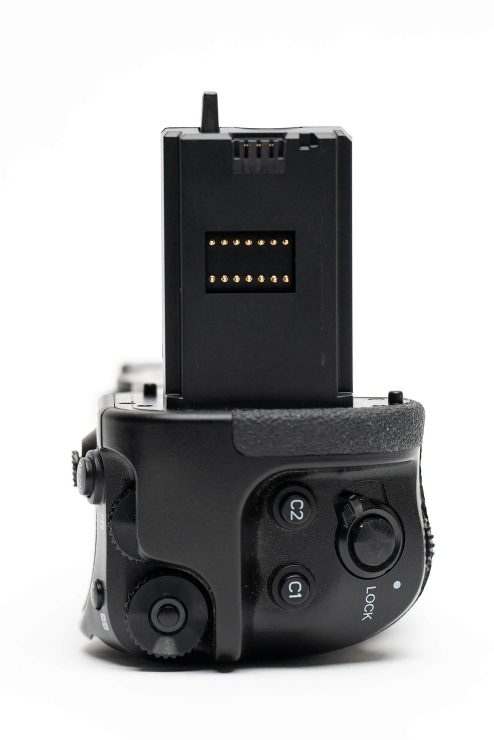
Not all of the lenses that I use are weather sealed, so and I don’t always remember which are and which are not, so I try to keep my camera out of the rain whenever possible. However, lack of weather sealing around battery connections is a cause for concern for those of us who travel and shoot professionally.

Long Term Testing
The first trip that I took with this camera and grip was a month in southern India, which is about as good a place to stress test a piece of equipment as any. Hyderabad was hot and dusty, and I was caught in the rain twice in Rajahmundry. The hill stations in Munnar and Kodaikanal were misty and damp for hours every day, and I slipped on a steep hillside (and might have broken a rib), but the camera was fine… and the beaches in Chennai were as dangerous to electronics as any sandy beach, but again, no problems.








Since my return to Washington, the camera has had a relatively cushy life, with only one trip to the coast at Seabrook that was moderately rainy, and again, the grip didn’t give me any cause for concern.

None of that is proof that this grip will handle everything you throw at it, and I did my best to protect my camera when I could, but I’m satisfied that this grip will at least stand up to the type of abuse that I’m likely to subject it to.
Conclusion and Final Verdict
Functionally, the Chinese FocusFoto grip works just as well at the original Sony, with all of the same buttons and dials, and they all feel sufficiently high quality in the hand. The same can be said for the grip as a whole: its weight and materials make it feel nearly indistinguishable from the Sony.
The FocusFoto grip lacks weather sealing gaskets, and if this is a serious concern for you, it would make sense to opt for the Sony grip. Otherwise, I’ve been pleasantly surprised with the FocusFoto grip, and it hasn’t let me down yet. I’d happily recommend it for anyone who doesn’t need a grip to face the harshest elements.
- Dramatically less expensive than the Sony
- Same features as the Sony
- Nice and sturdy
- No weather sealing
- Grip material is very similar but not 100% identical to Sony
At less than a quarter of the price of the Sony counterpart, the FocusFoto battery grip delivers at least three quarters of its build quality and all of its functionality. In my testing, the FocusFoto grip has been reliable and sturdy, though long term testing is just beginning. Its biggest drawback is the lack of true weather sealing.